Fusing and finishing
What if you do not have an iron?
Check whether a substitute tool has stable heat control, avoid risky shortcuts, then learn paper, test patches, even heat, and flat cooling.
Read fusing basicsFind fuse bead tutorials by task: what to do without an iron, which Perler bead supplies to buy, how to use color charts, and how to turn images into buildable patterns.
These entries match the questions beginners get stuck on most and point to the most useful answer we have now.
Fusing and finishing
Check whether a substitute tool has stable heat control, avoid risky shortcuts, then learn paper, test patches, even heat, and flat cooling.
Read fusing basicsStarter supplies
Separate beads, pegboards, bead pens, scrapers, tweezers, ironing paper, and irons before buying a first kit.
See supply guideColor codes
Open the Perler, MARD, and Hama chart entries before matching codes, substitutes, sizes, and screen color differences.
View chart entriesIf you are not sure where to start, move through patterns, supplies, color planning, and fusing in this order.
01
Choose a clear, low-color design with stable connections so your first finished piece has fewer failure points.
Open patterns02
Confirm bead size, pegboard, tweezers, ironing paper, and iron before buying extra tools.
Read supply list03
Keep the pattern, color list, and bead counts nearby, confirm it fits your pegboard, then place outlines or large color blocks first.
Check chart04
Use ironing paper, short checks, even movement, and flat cooling before chasing a no-hole finish.
Read fusing guideOpen brand color charts before planning a pattern so color codes, HEX approximations, and bead-size notes stay easy to check.
Look up Perler color names, approximate HEX values, and color families before planning a Perler pattern.
View Perler chartLook up MARD color codes, series ranges, and common palette sets before buying or substituting colors.
View MARD chartLook up Hama Midi codes, English color names, and approximate HEX values before planning a Hama pattern.
View Hama chartKeep browsing the full guide library for pattern making, bead supplies, ironing, color planning, and pixel-art project ideas.
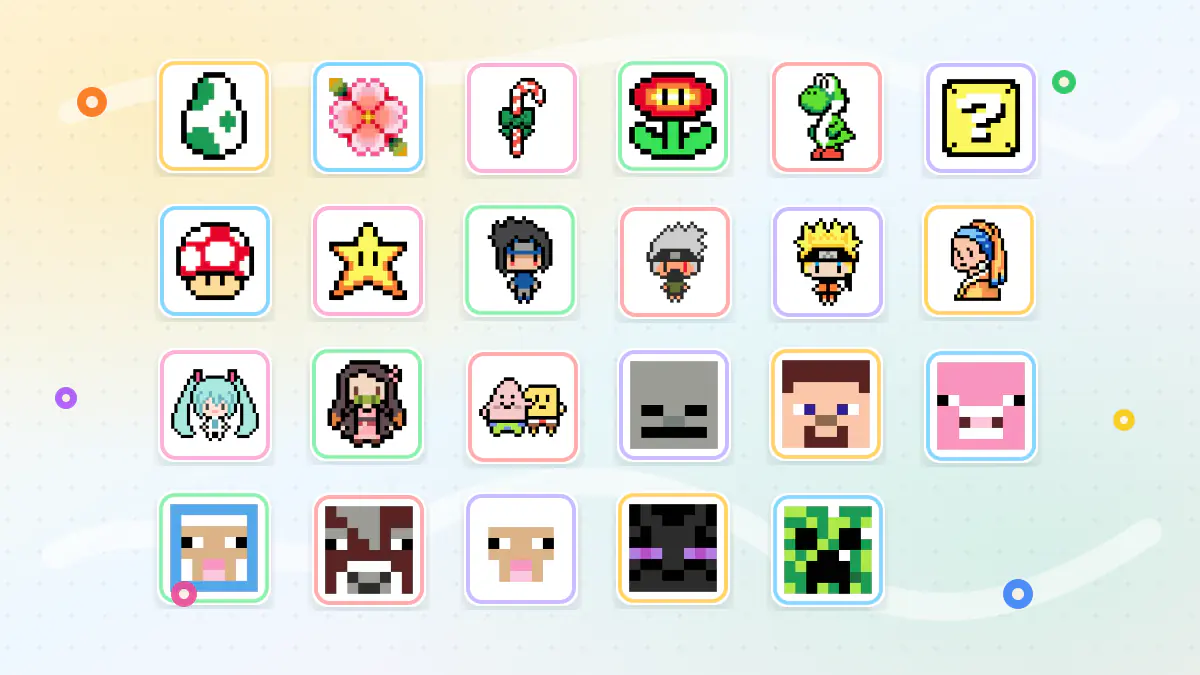
A practical roundup of 23 small Perler bead patterns from BeadsHub, grouped by beginner icons, game designs, character sprites, and 16 x 16 Minecraft minis.
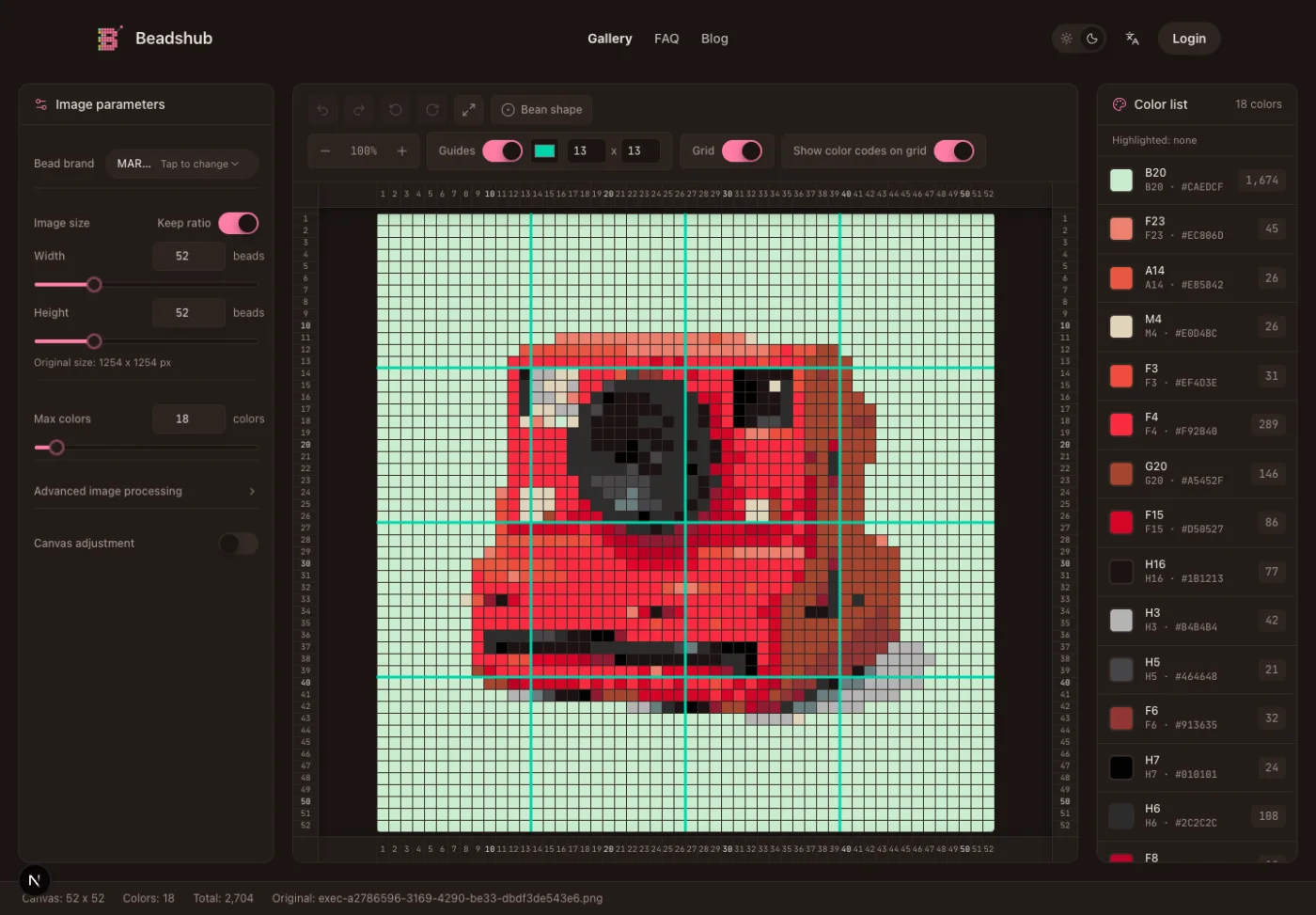
A step-by-step beginner guide to making Perler bead art with BeadsHub, from choosing a pattern to ironing, cooling, and displaying the finished piece.
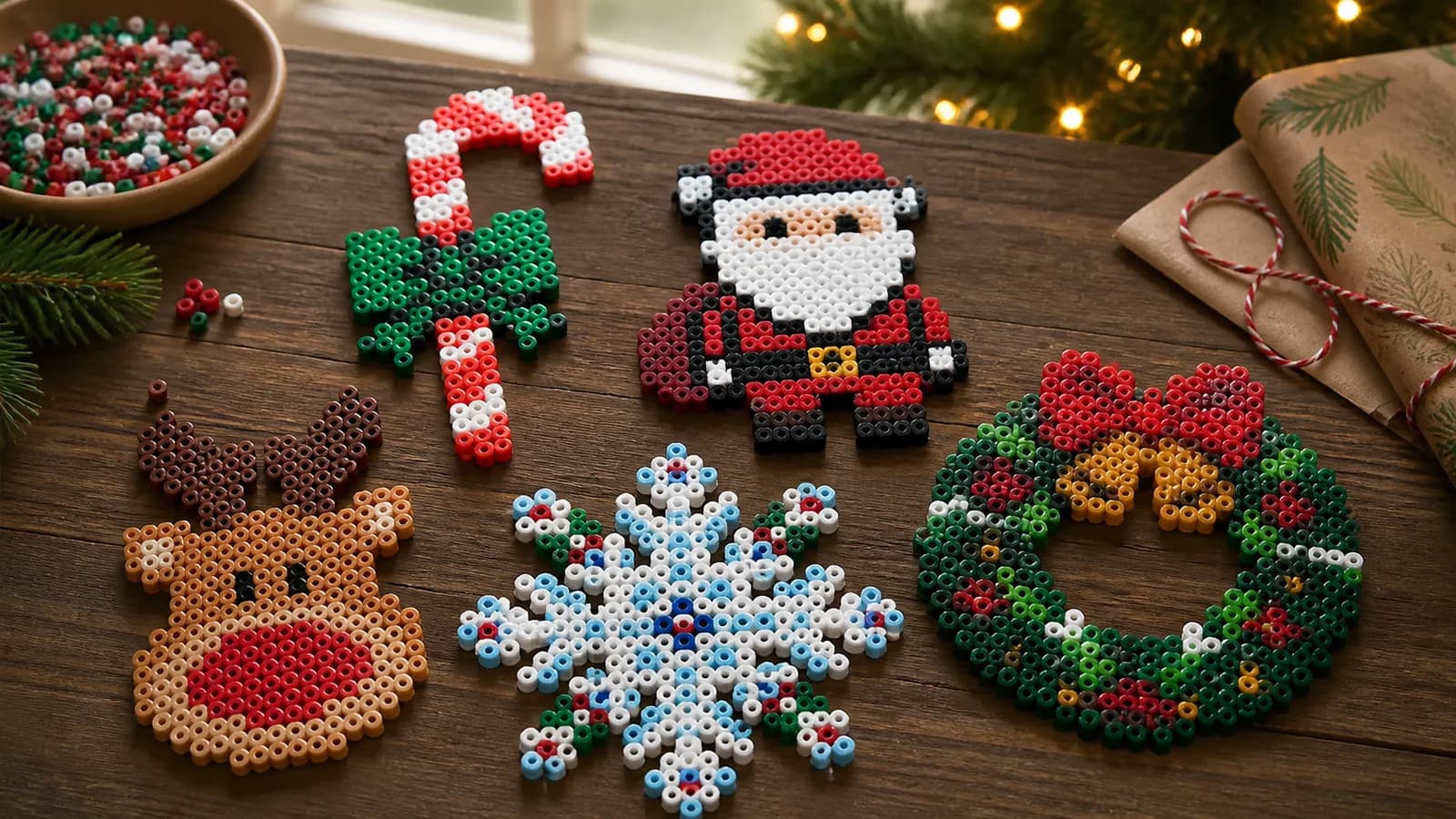
A festive BeadsHub roundup of 15 free Christmas Perler bead patterns, with easy picks, ornament ideas, bead counts, and direct pattern links.
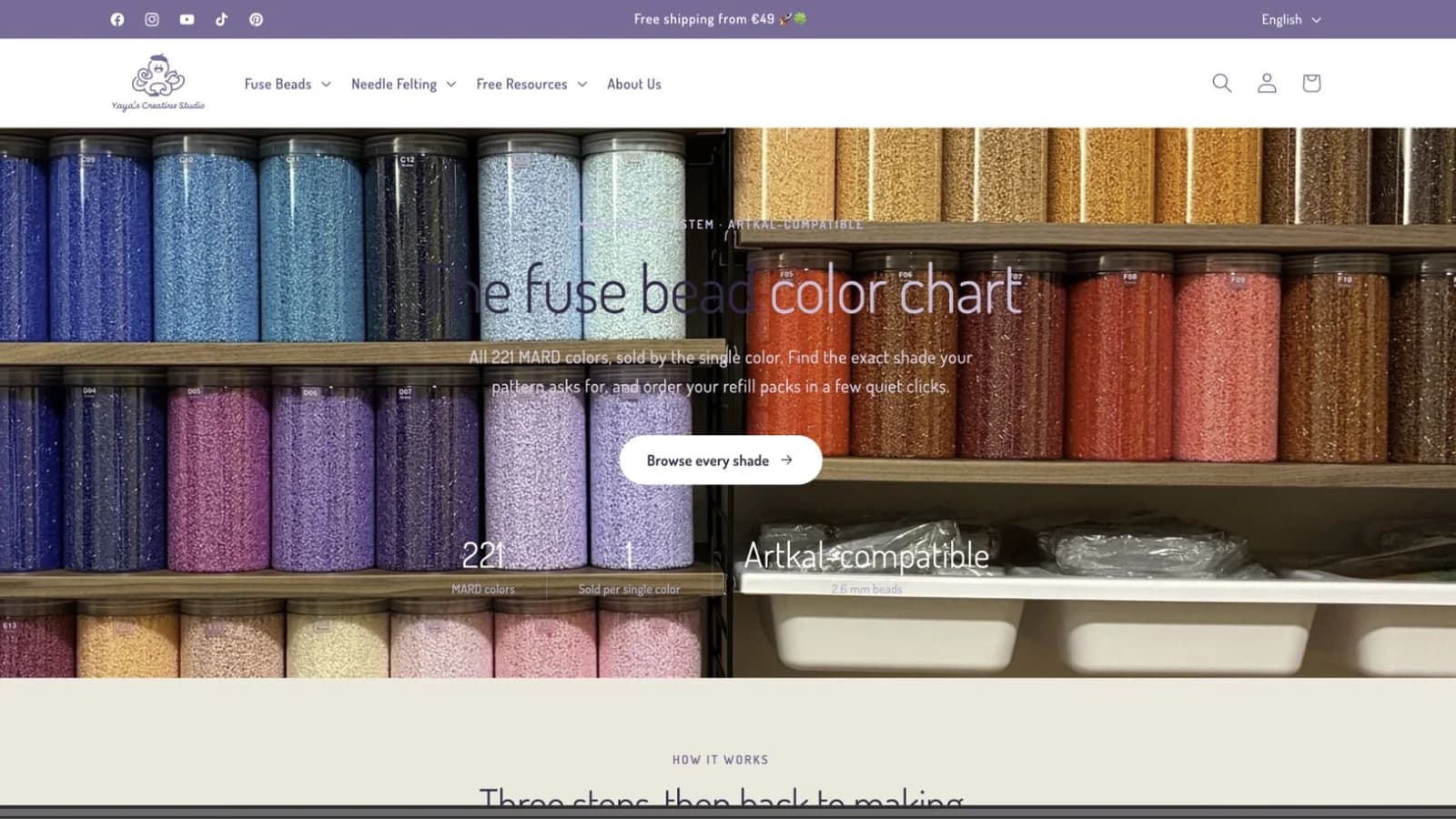
Read MARD color codes without confusing a 221-color standard range, an extended reference, a retail bundle, or a screen swatch with the physical beads in your hand.
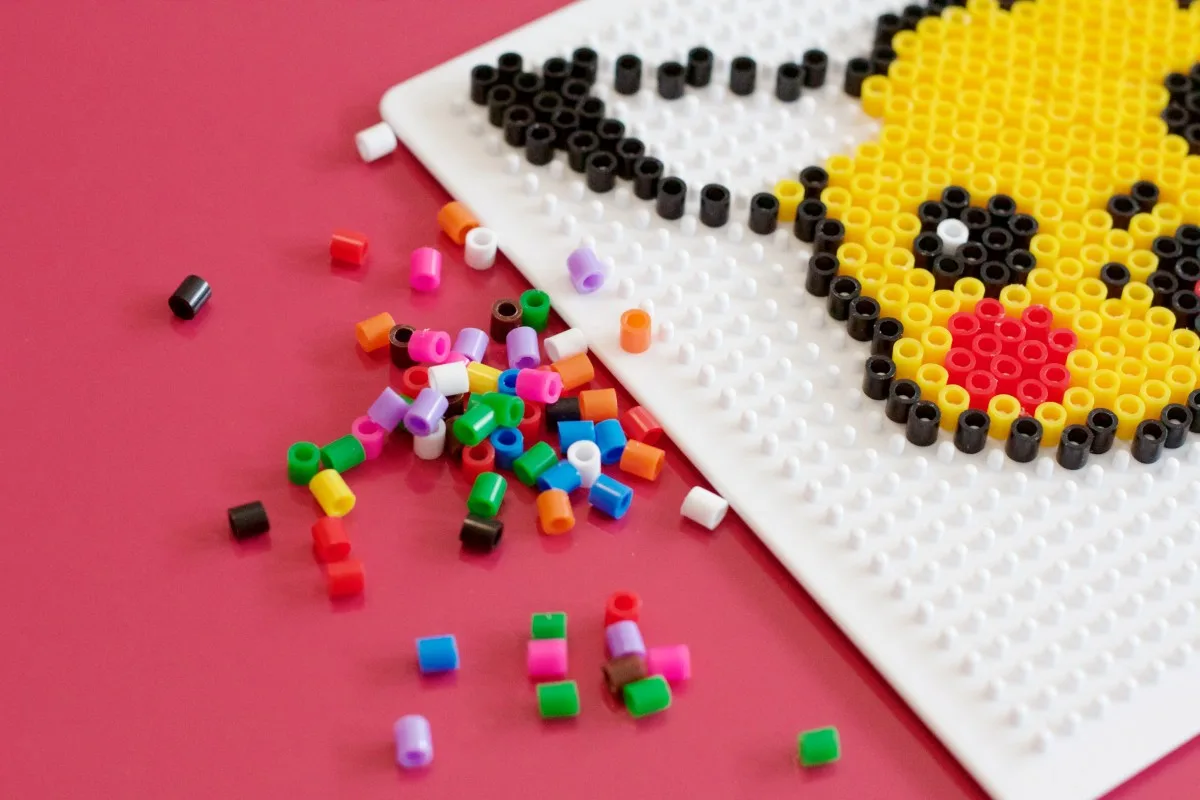
Compare ten Pokémon fuse-bead project routes, licensed pattern sources, practical size choices, color plans, and build methods without relying on copied pattern files.
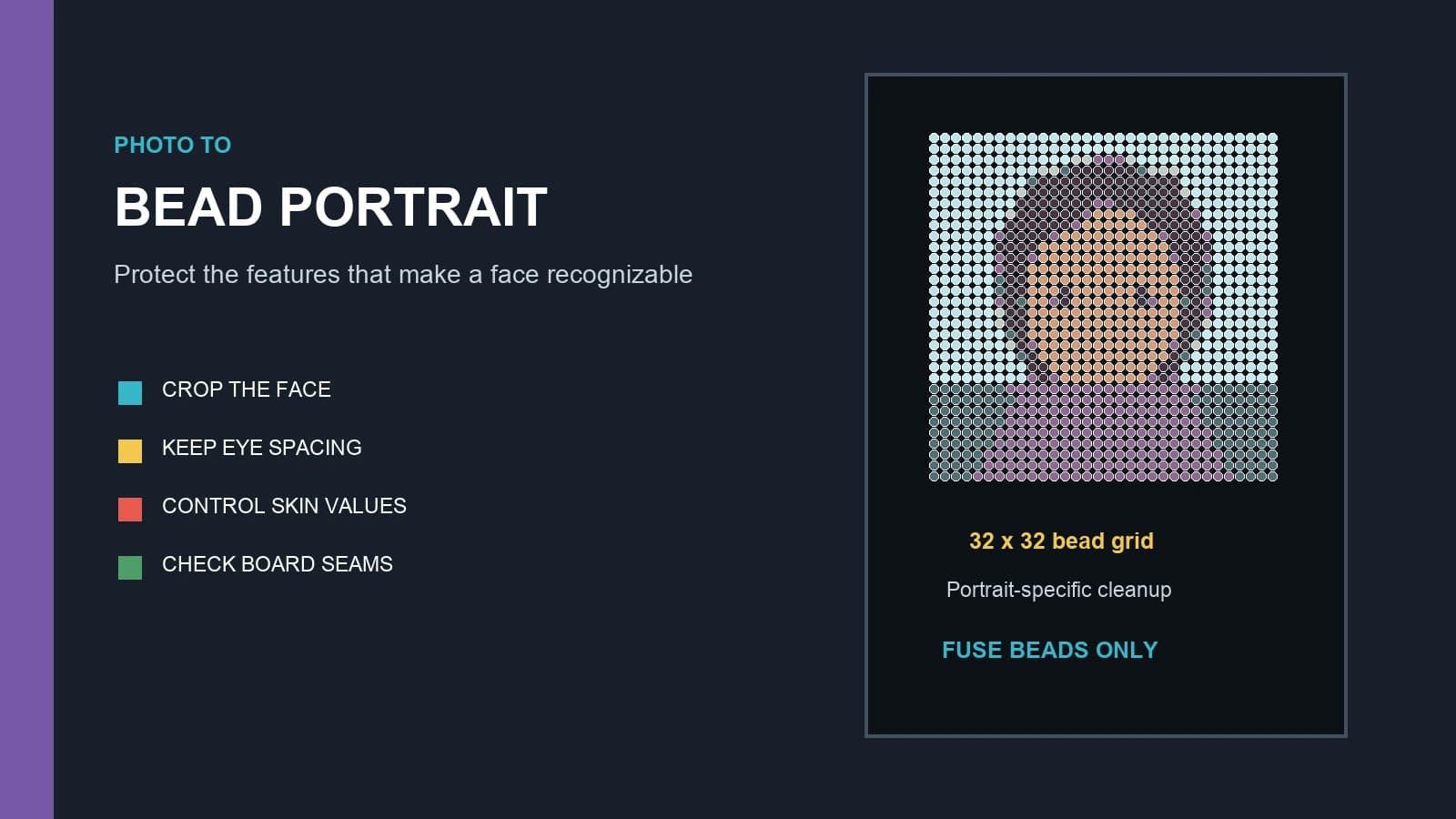
Learn the portrait-specific decisions that keep a face recognizable when a photo becomes a fuse-bead grid.
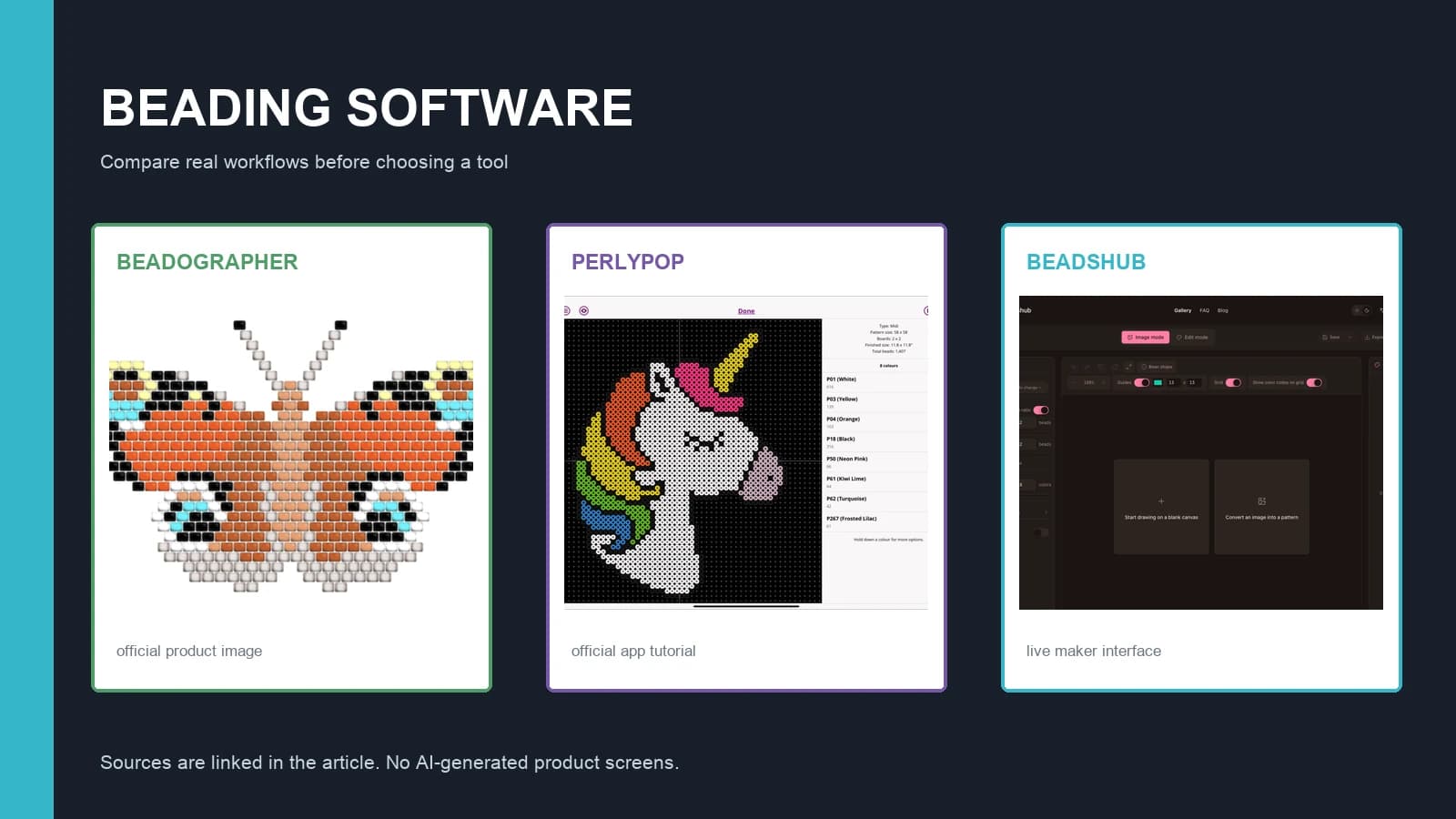
A task-first comparison of Beadographer, BeadTool 4, Perlypop, and BeadsHub.
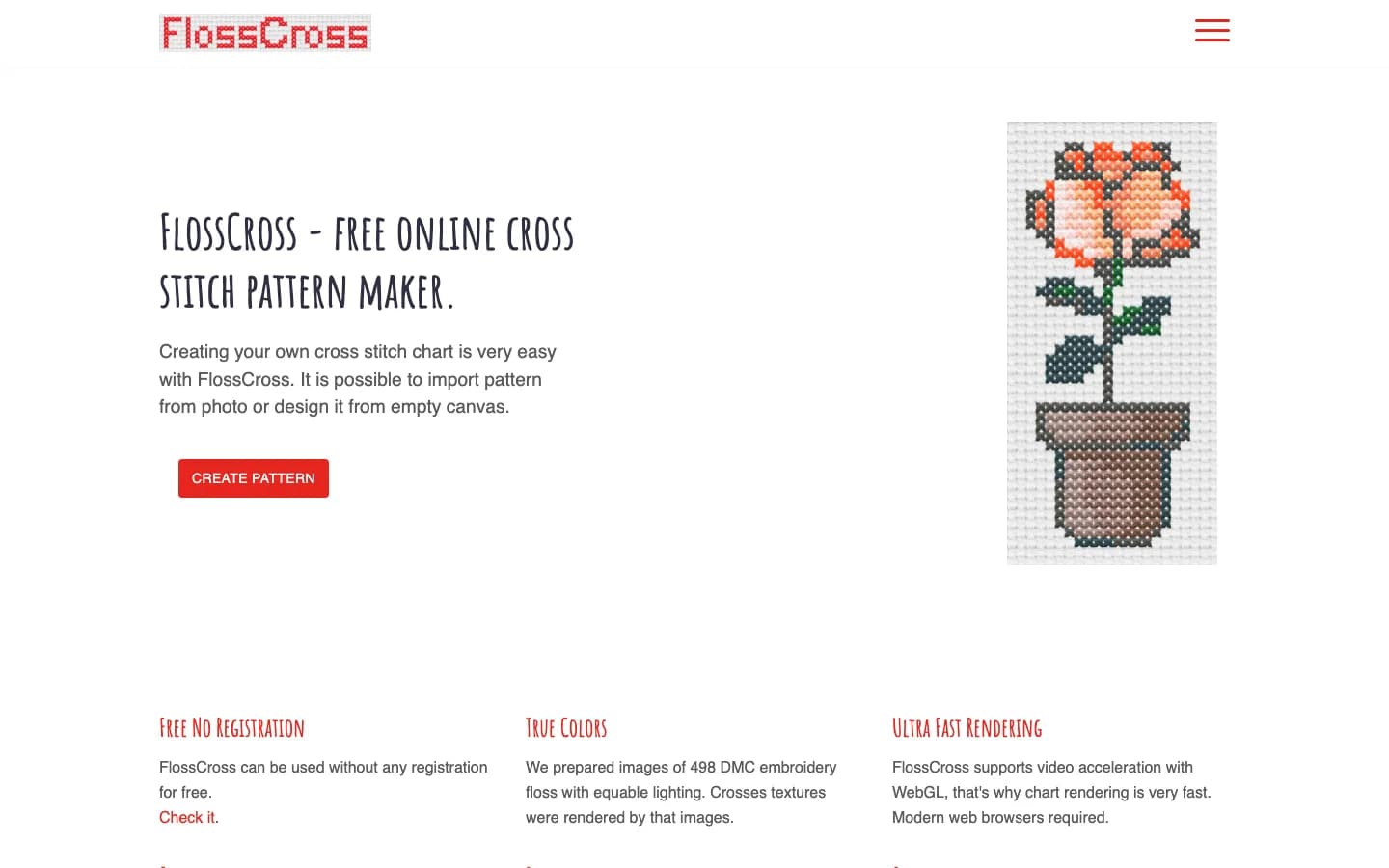
Compare FlossCross, Stitch Fiddle, Stitchboard, and WinStitch/MacStitch by the chart-making task you actually need to complete.
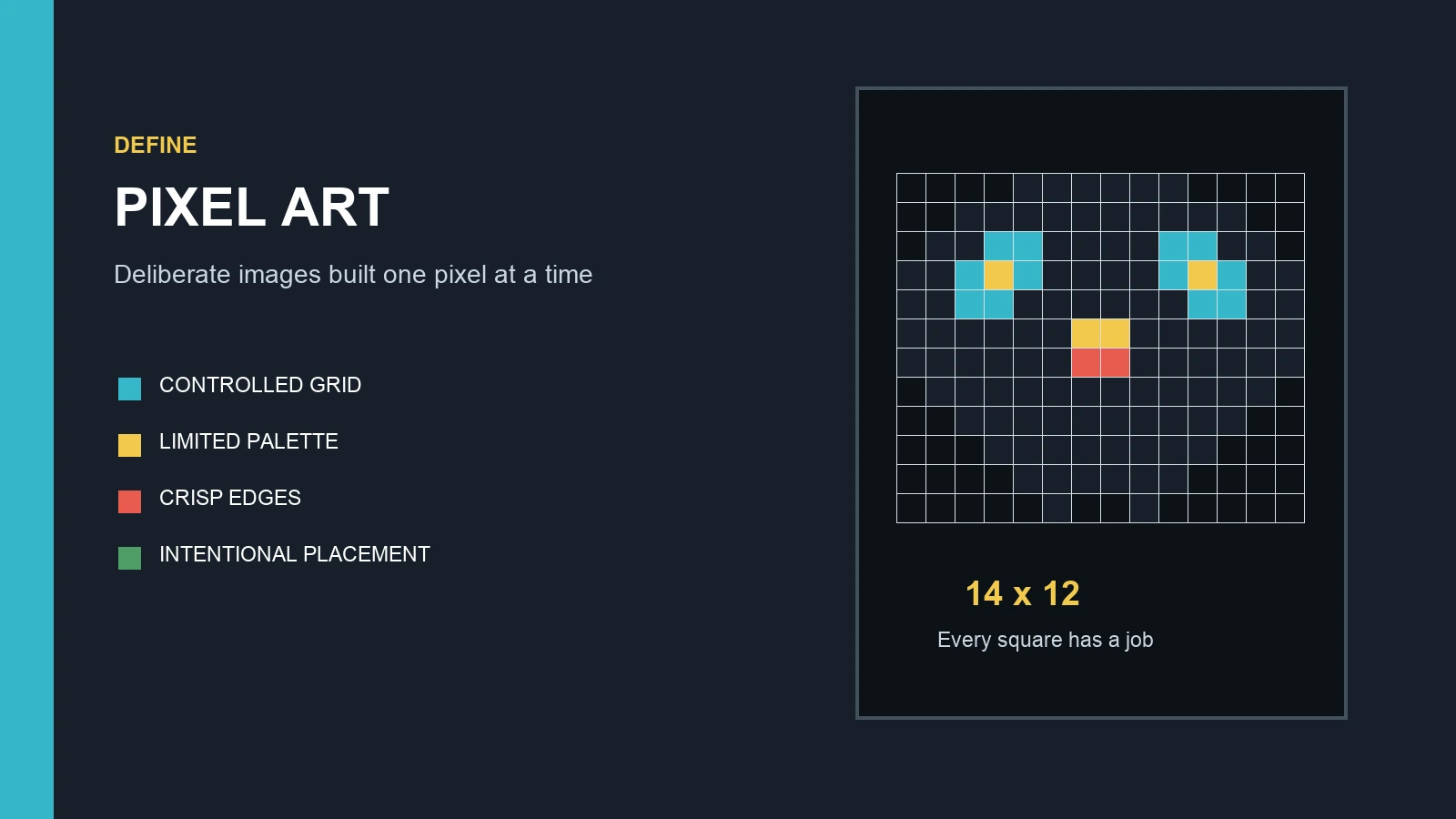
Define pixel art clearly, recognize its essential traits, and understand how deliberate pixels differ from accidental pixelation.
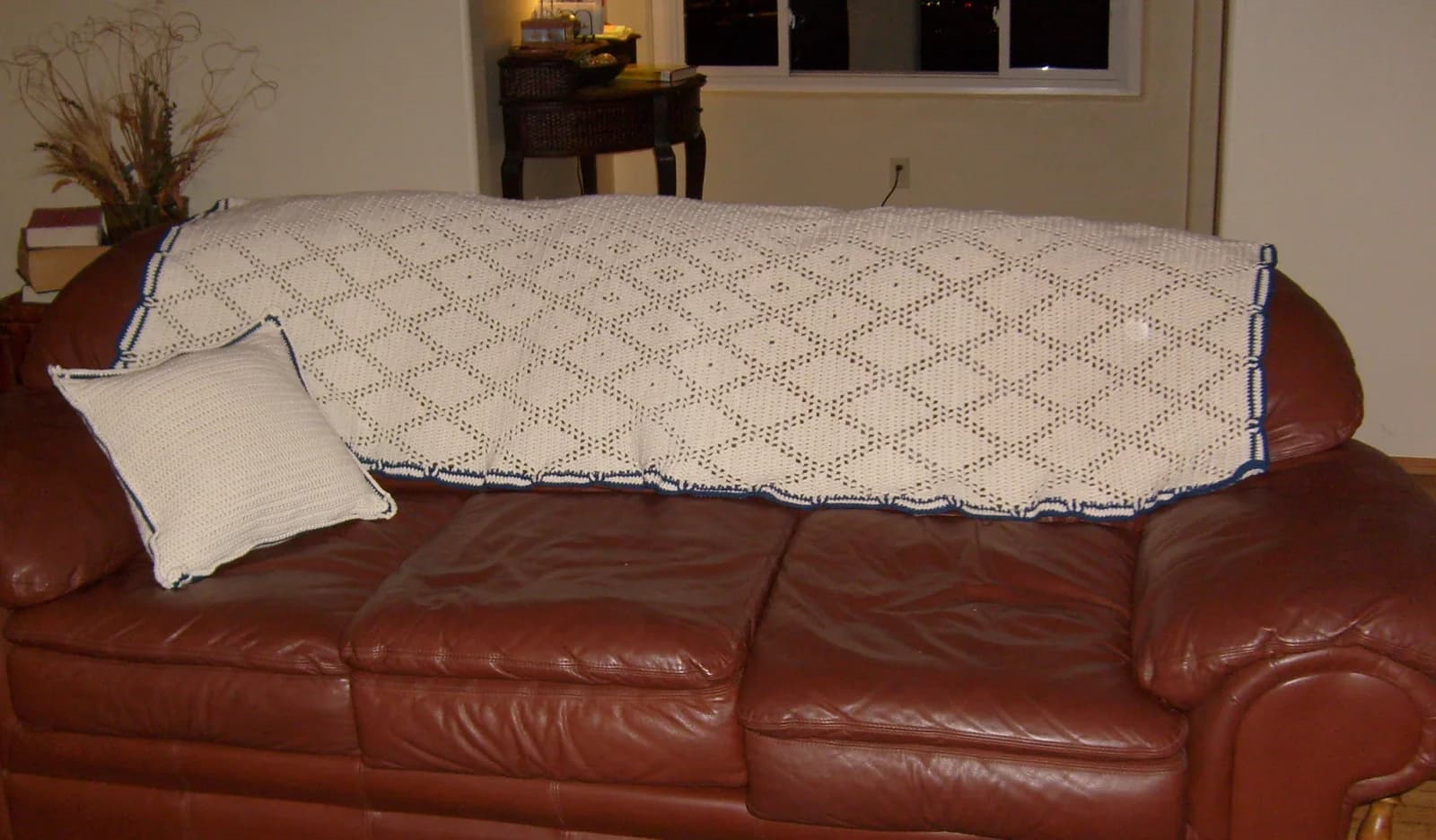
Read open and filled mesh cells, follow alternating row direction, make a gauge swatch, and plan a simple filet crochet chart without mistaking a visual grid for a complete pattern.
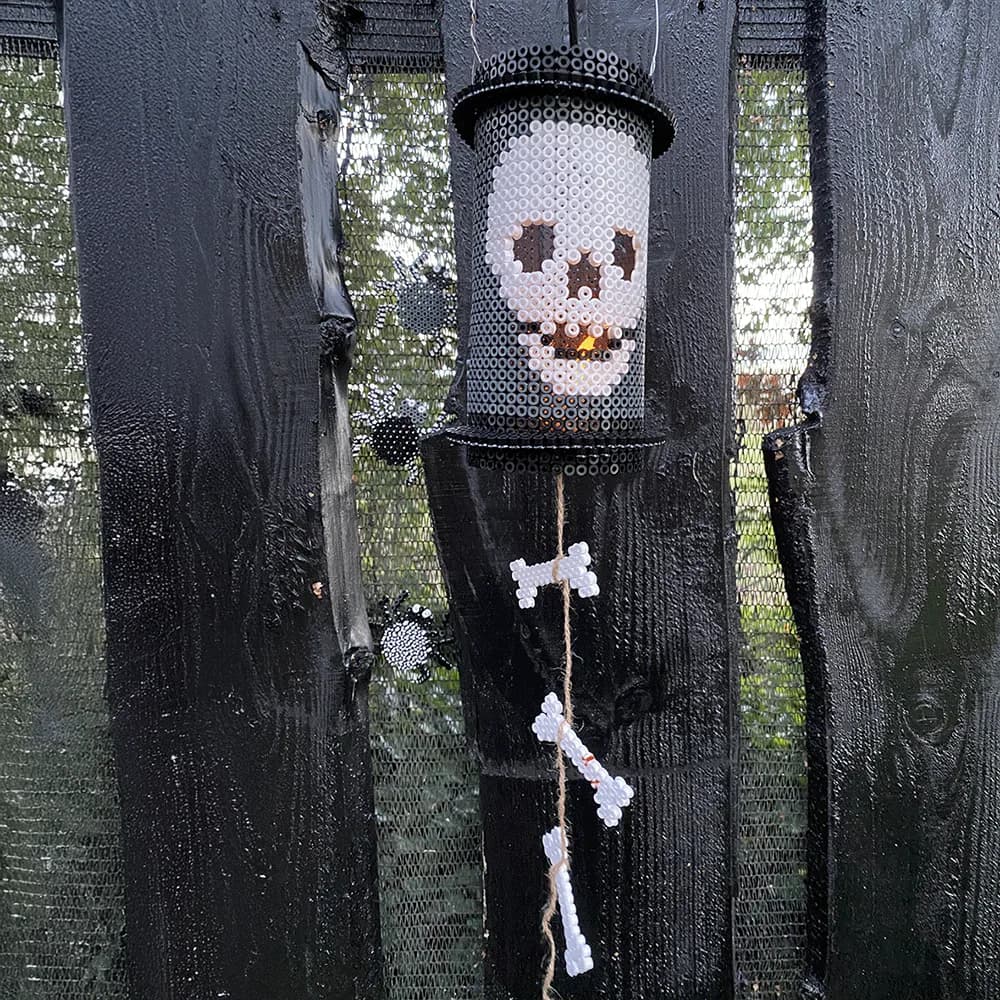
Choose a Hama Halloween project by difficulty, board shape, palette, and display style using official pattern sources.
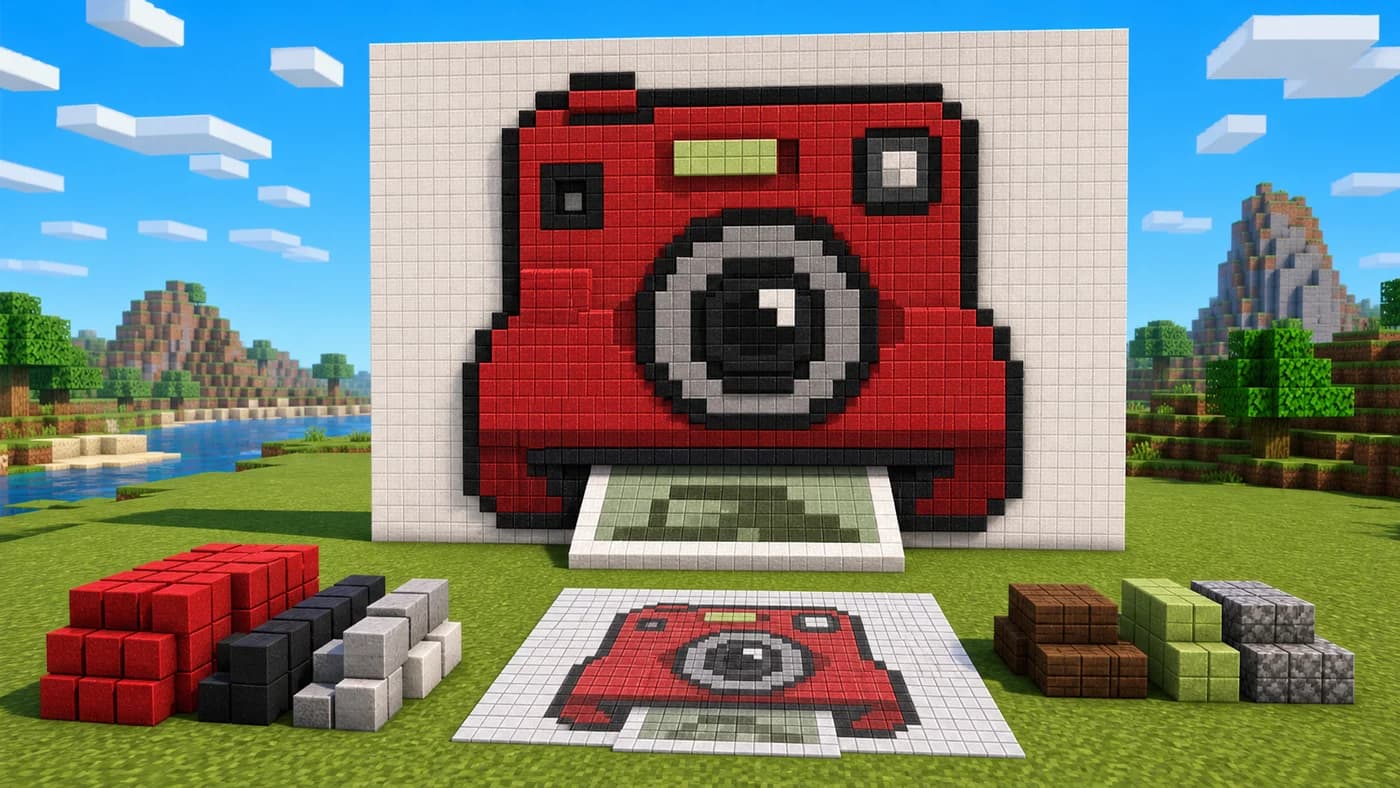
Learn how to make pixel art in Minecraft by choosing a grid, matching colored blocks, marking guides, building row by row, and planning materials.
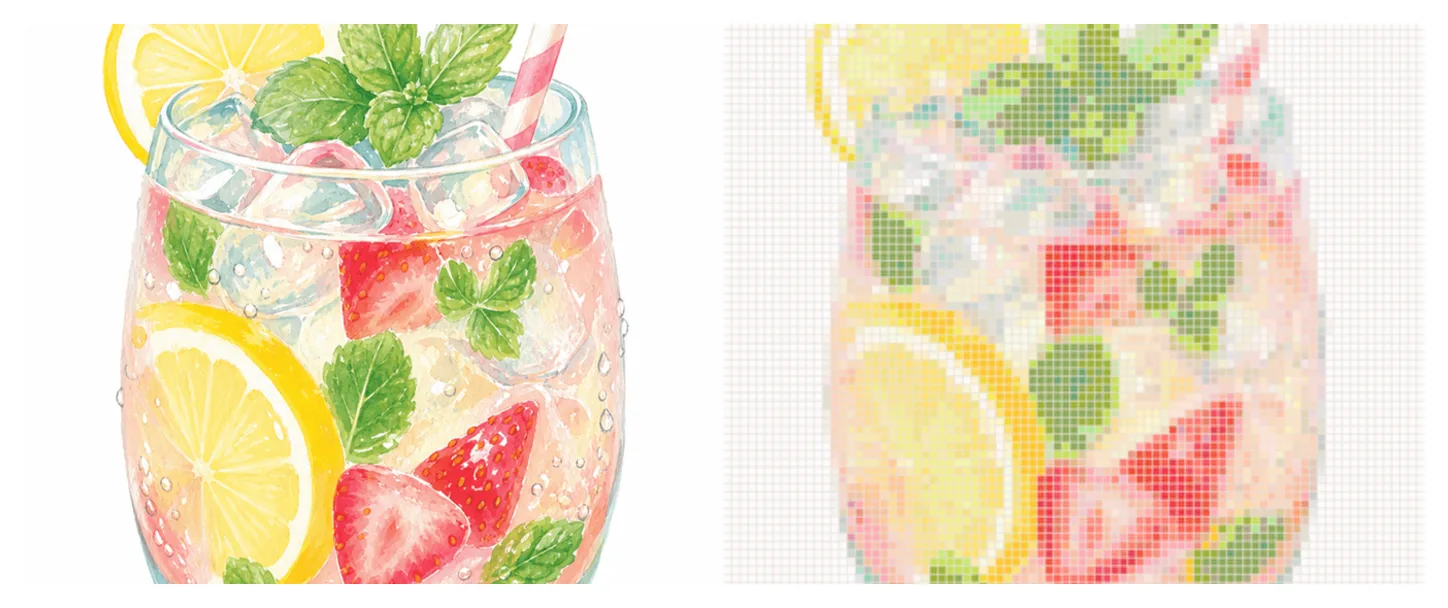
Learn how to turn an image into pixel art with the right crop, grid size, color limit, and cleanup method, then convert your picture online for free.
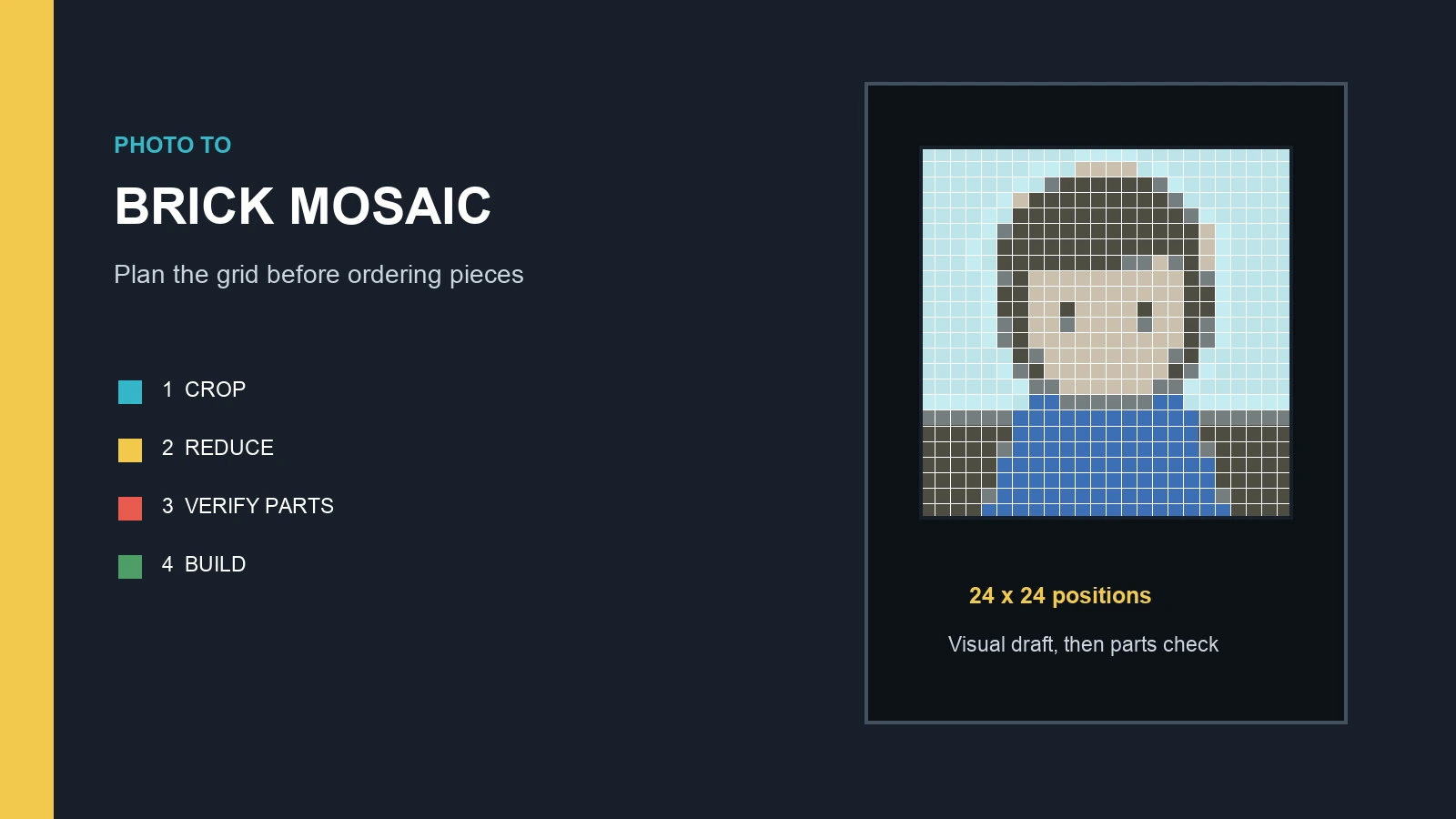
Learn how to turn a picture into a practical brick-mosaic plan by controlling the crop, grid, palette, parts, and build order.
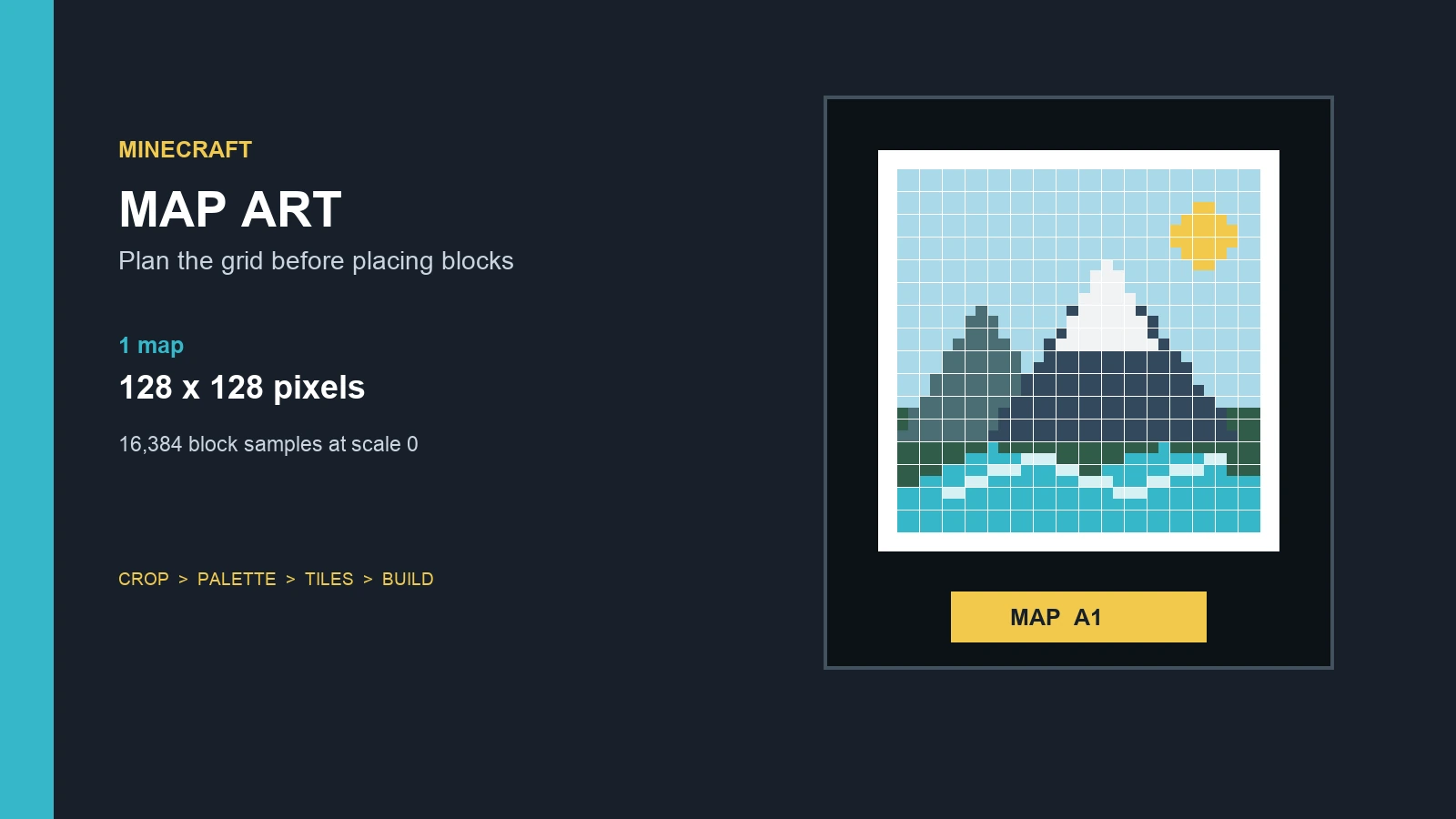
Plan Minecraft map art with the correct scale-0 grid, readable map colors, aligned multi-map tiles, material estimates, and a reliable building order.
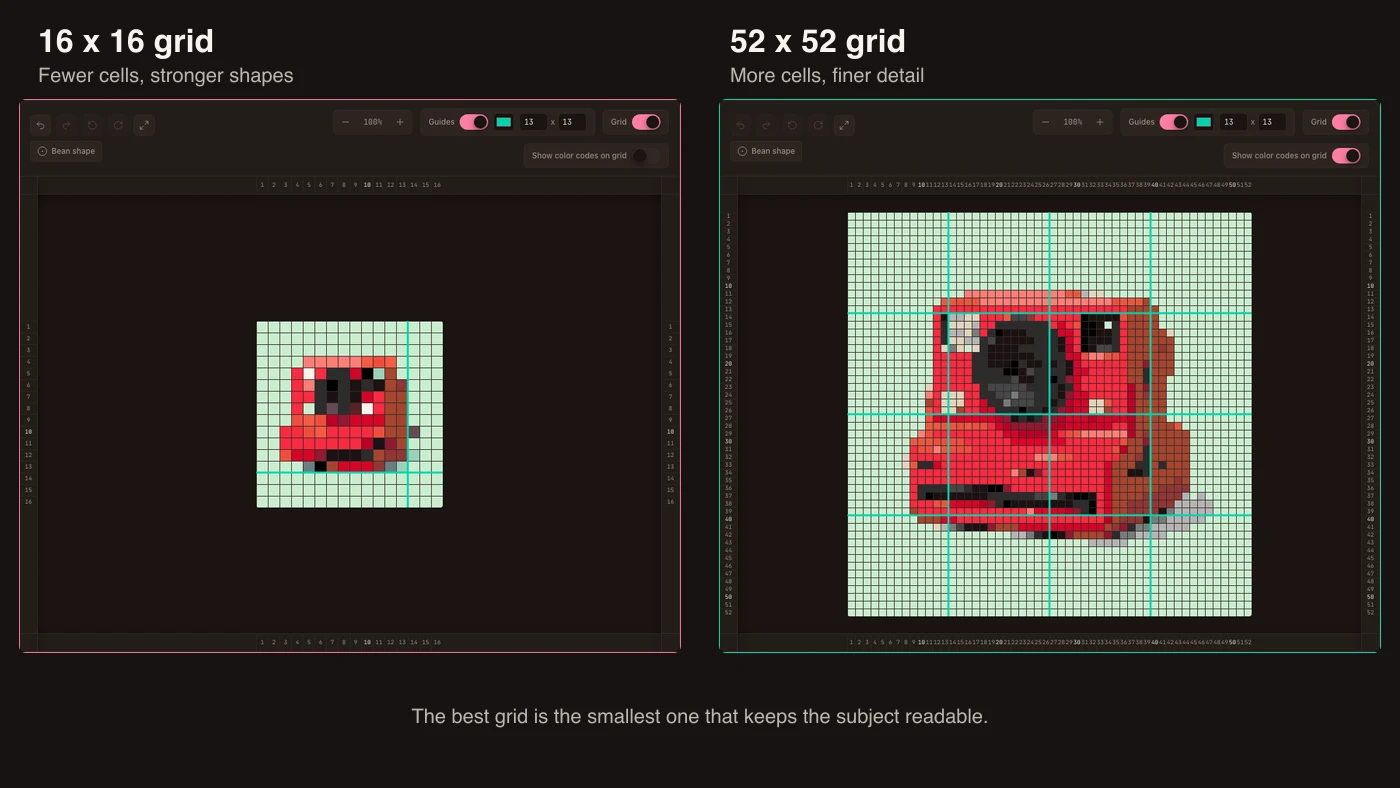
Learn how a pixel art grid works, choose a practical grid size, use guides and color codes, and make pixel art or bead patterns that stay readable.
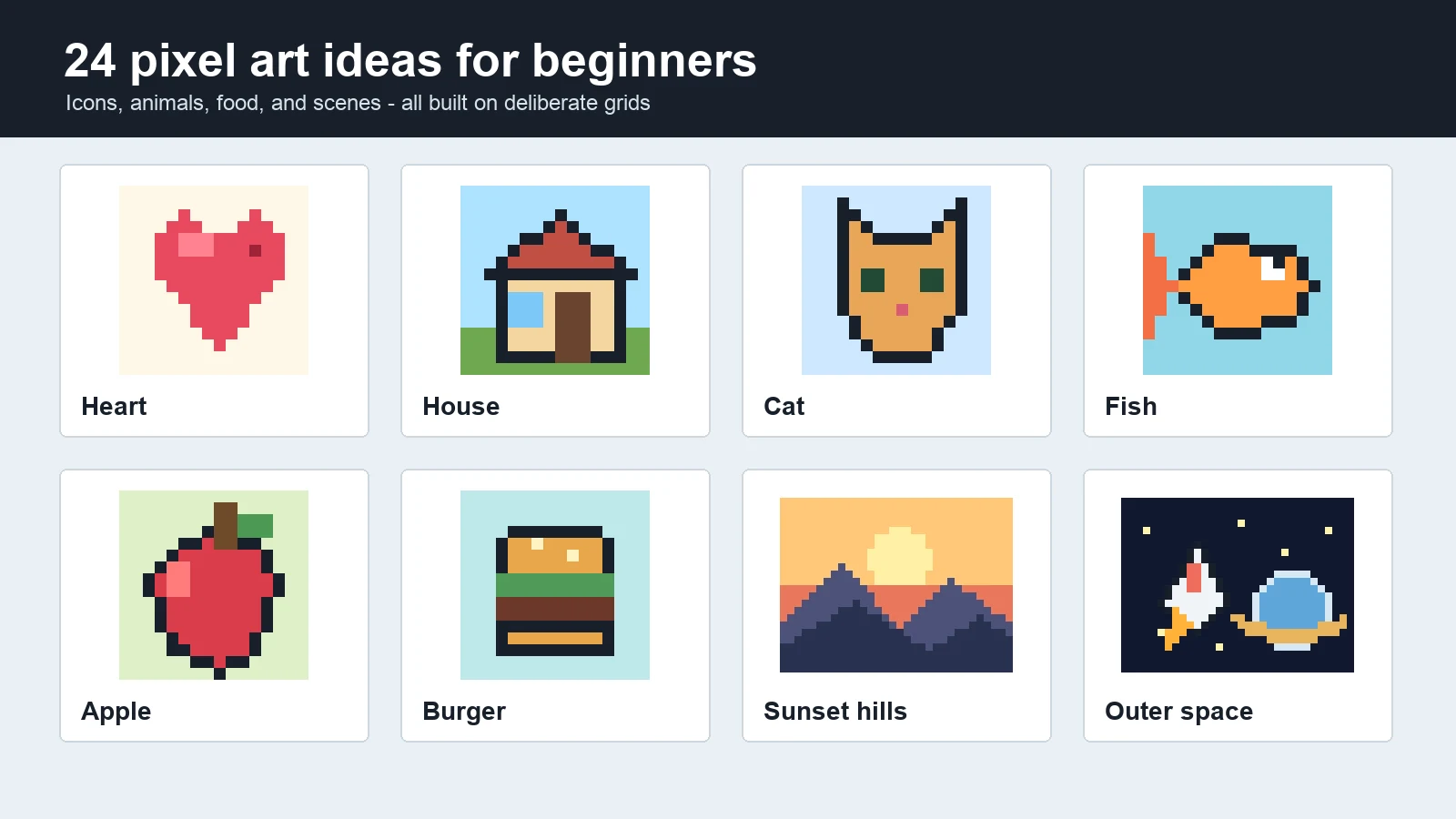
Explore 24 original pixel art ideas for beginners, with suggested grid sizes, palette counts, and practice goals for icons, animals, food, and scenes.
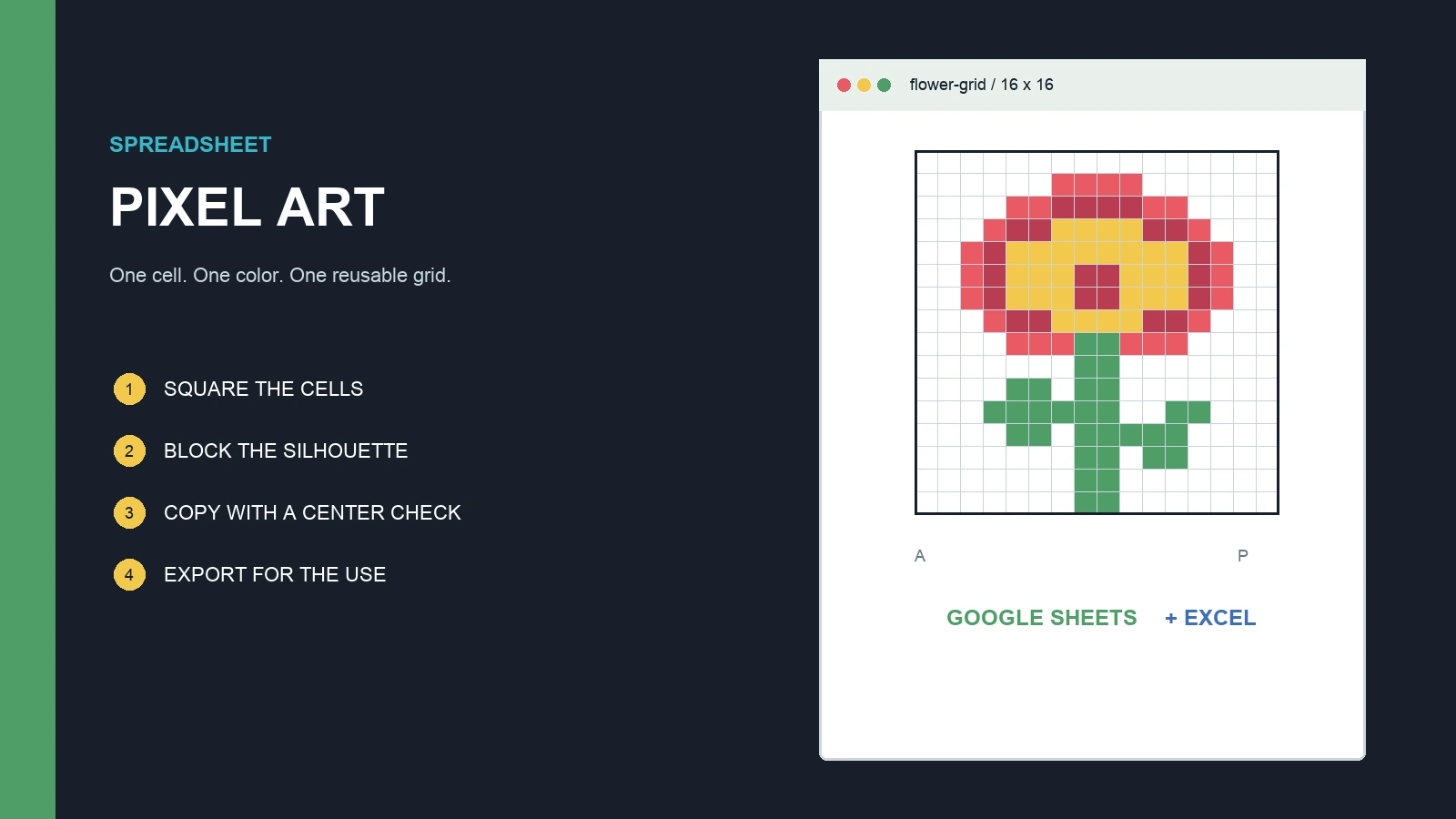
Turn ordinary spreadsheet cells into a controlled pixel canvas with a reusable flower project.
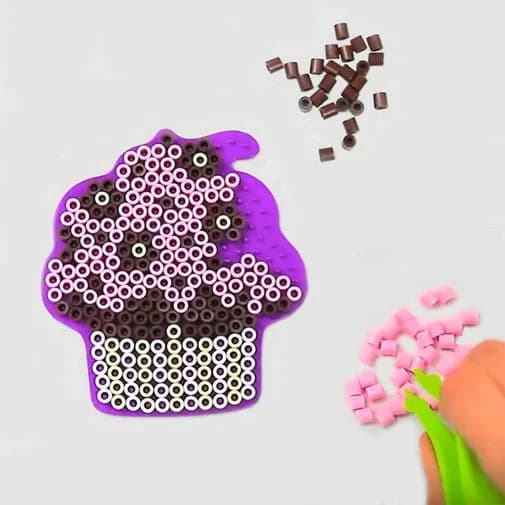
Learn how to iron Perler beads with the right paper, heat setting, timing, pressure, and cooling steps. Prevent weak joins, warping, and over-melting.
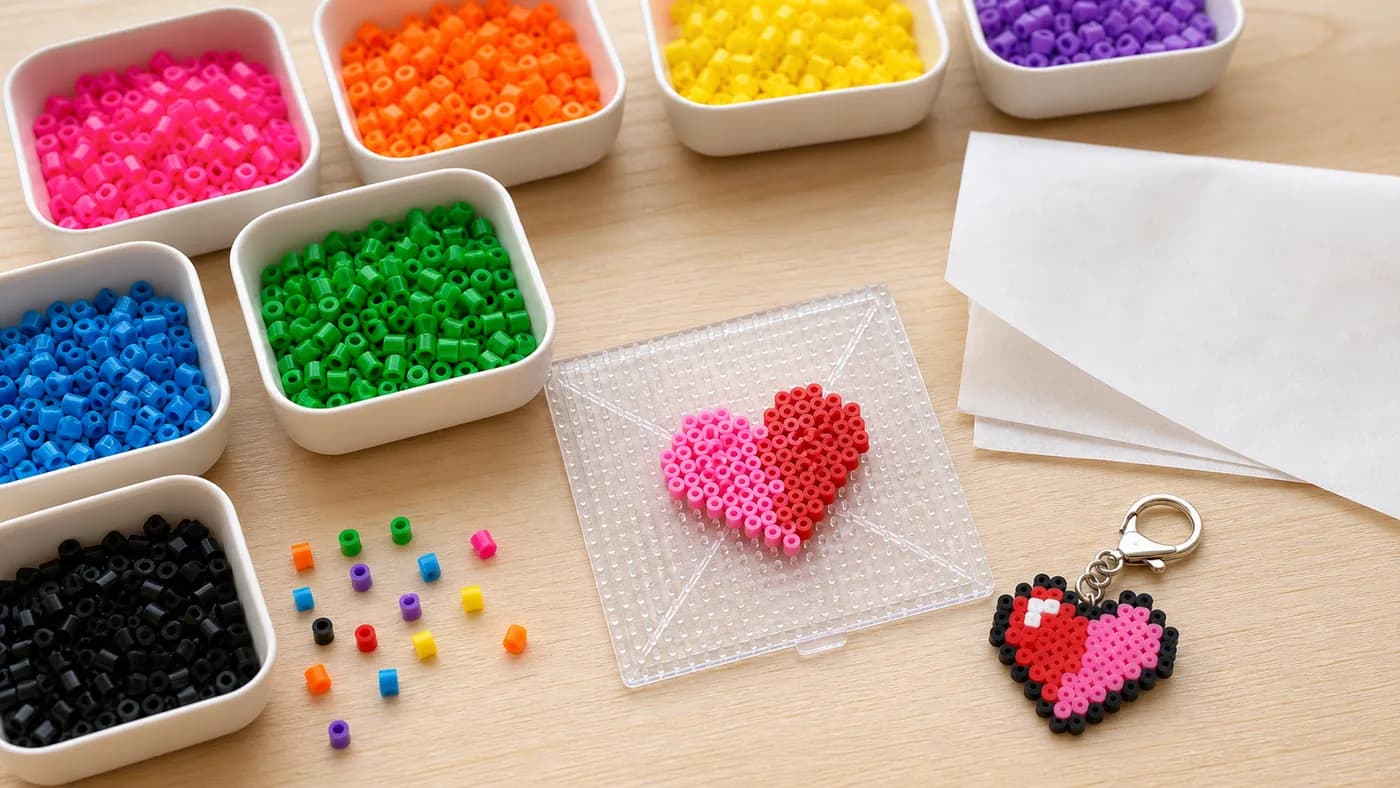
Ronghe dou is a Chinese term often used for fuse beads, and sometimes for flexible beads used in charms and 3D projects. This guide explains the meanings, materials, sizes, and beginner buying tips.
Learn three ways to make your own Perler bead patterns, choose a practical grid and palette, clean up stray colors, and export a pattern you can actually build.
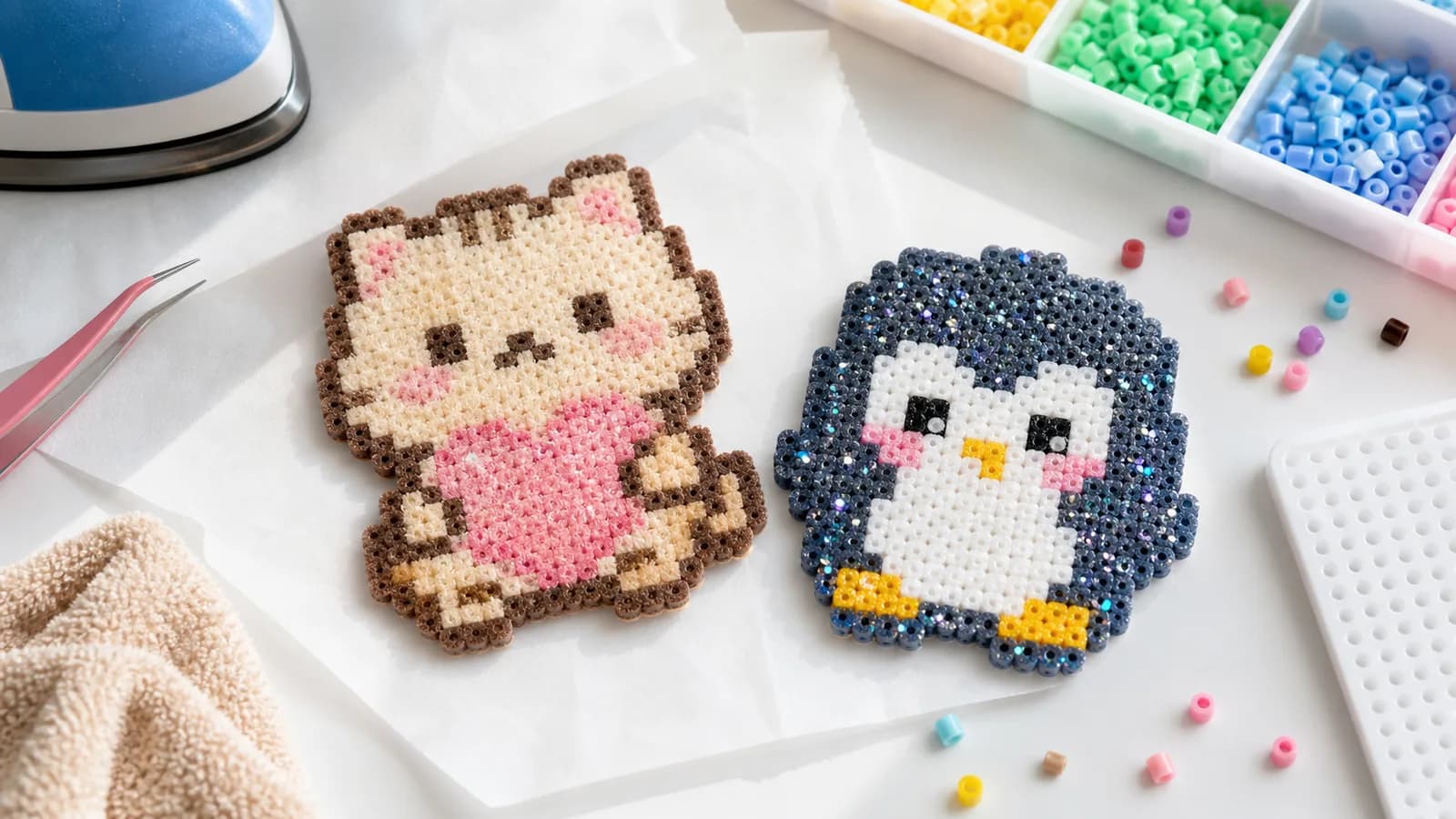
Learn what towel ironing and glitter ironing mean for fuse bead crafts, which patterns work best, how to think about materials, and how beginners can avoid common mistakes.
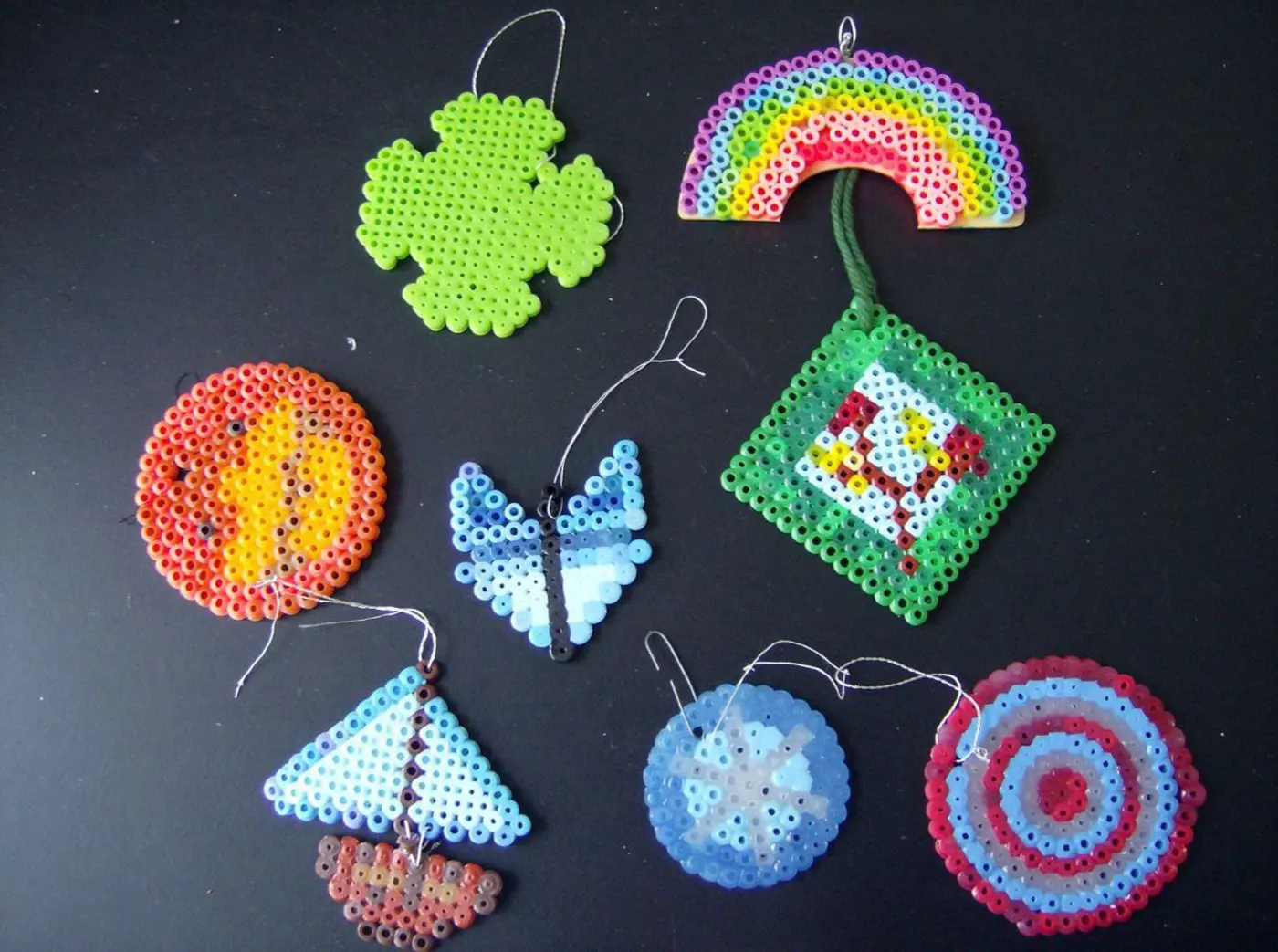
A practical beginner guide to Perler beads, including bead sizes, pegboards, starter tools, a seven-step first project, and mistakes to avoid.